How to Plan a Combined Wildlife and Beach Holiday in Tanzania
Why Tanzania Works for Both Safari and Beach
Tanzania is one of the few places where you can spend the morning watching lions on the Serengeti plains and the afternoon floating in the warm Indian Ocean. The country’s geography makes this possible: the northern safari circuits are a short flight from the coast, and the islands of Zanzibar lie just off the mainland. For travelers who want a single trip that delivers both big game and beach relaxation, the logistics are simpler than they might expect.
The key is understanding how to connect the two halves. Overland drives from the Serengeti to the coast take two or three days, so most people choose a fly-in safari that lands them directly in the park and then flies them out again. That frees up time for the beach without spending days on dusty roads. A well-planned safari beach holiday Tanzania can include several days of game drives followed by a few days of swimming, snorkeling, or simply resting on a white-sand beach. safari beach holiday Tanzania
Choosing the Right Safari Area
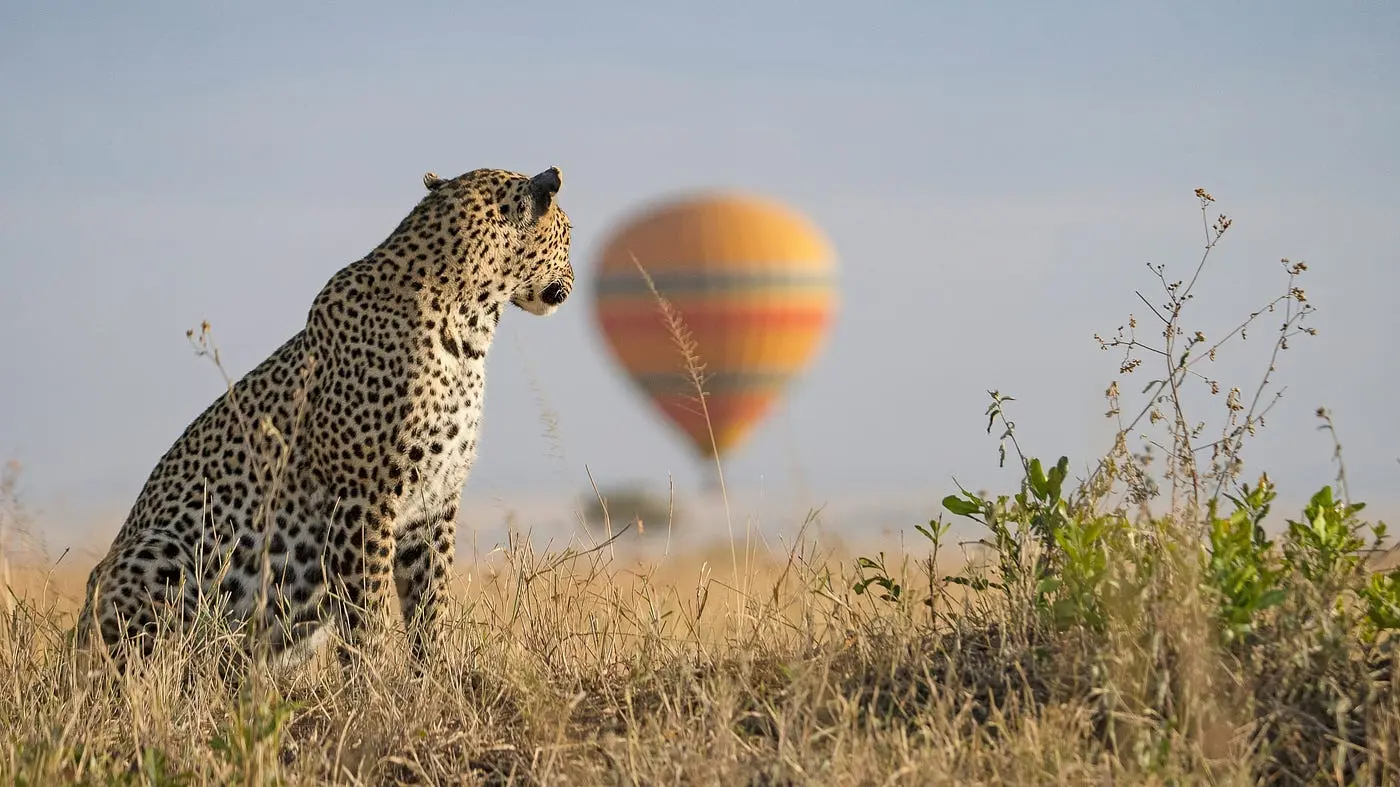
Most combined itineraries start with a few days in one of the northern parks. The Serengeti is the obvious choice because of its sheer scale and the density of predators and herbivores. A fly-in safari from Zanzibar or Arusha gets you into the park within an hour of landing, and you can be on a game drive the same afternoon. The Ngorongoro Crater is another option: it is smaller but offers guaranteed wildlife sightings in a contained space, which works well if you have only a short window.
For those who want to see the wildebeest migration, timing matters. The herds move through the Serengeti depending on the season, so check where they are likely to be during your travel dates. Even outside the migration months, the resident wildlife is plentiful. The dry season from June to October tends to offer the best visibility because animals gather around water sources and the grass is shorter.
An alternative is to base yourself in Tarangire or Lake Manyara, which are closer to Arusha and can be combined with a day trip to Ngorongoro. These parks are less crowded and still provide excellent game viewing. The trade-off is that you will spend more time driving between parks, which cuts into beach time.
Connecting to the Coast
Once the safari portion is done, you need to get to the beach. The most efficient route is to fly from the Serengeti or Arusha to Zanzibar. Several domestic carriers operate this route, and the flight takes about an hour and a half. From Zanzibar’s airport, it is a short drive to the main beach areas such as Nungwi, Kendwa, or Pongwe. These beaches have calm water, decent snorkeling just offshore, and a range of accommodation from simple guesthouses to full-service resorts.
If you prefer the mainland coast, you can fly to Dar es Salaam and then take a ferry or a short flight to Zanzibar, or head directly to beach towns like Pangani or Bagamoyo. The mainland beaches are less developed and quieter, which suits some travelers. The downside is that the water quality and marine life are not as good as on Zanzibar’s northern coast.
A safari beach holiday Tanzania works best when you plan the transport links in advance. Booking a fly-in safari that includes the onward flight to the coast saves time and avoids the hassle of arranging separate tickets. Many tour operators offer packages that handle the whole sequence, but you can also book the pieces yourself if you are comfortable with the logistics.
What to Do on the Beach Side
Zanzibar is the most popular beach destination for good reason. The island has a mix of history, culture, and marine activities. Stone Town, the old port, is worth a day for its narrow alleys, spice markets, and the old fort. From there you can join a spice tour or a dolphin-watching trip. The beaches on the east coast, such as Chwaka and Jambiani, are better for kitesurfing and watching the tide pools. The north and west coasts have the classic white sand and turquoise water that most people picture.
Snorkeling and diving are the main draws. The coral reefs off Mnemba Island and the sandbanks around the north coast have good visibility and a variety of fish. You do not need to be a strong swimmer to enjoy snorkeling from a boat or even from the shore at certain spots. For a day trip, you can take a dhow sailing trip that stops at sandbanks for swimming and lunch on a beach.
If you want a quieter experience, consider staying on the south coast or on one of the smaller islands like Pemba or Mafia. These are less developed and have fewer amenities, but the diving is excellent and the crowds are thinner. The trade-off is that you will need to arrange transport from Zanzibar’s main island, which adds time and cost.

Pacing the Trip
A common mistake is trying to do too much. A typical combined itinerary might be seven days on safari and three days on the beach, but even that can feel rushed if you spend full days on travel. Aim for at least two full days on the beach to actually relax and enjoy the water. If you have only a week total, consider a shorter safari of three or four days and then three days on the coast. That gives you a taste of both without constant movement.
Another factor is the time of year. The dry season (June to October) is the best for wildlife viewing, but it is also the high season on the coast, so book accommodation and flights early. The green season (November to May) brings rain to the parks but also greener landscapes and fewer tourists. On the coast, the rainy season from March to May can bring storms, but the temperatures remain warm and the beaches are quieter. The trade-off is that some game-viewing roads in the parks may be muddy, and the marine visibility can be lower after heavy rains.
What to Pack and Prepare
Packing for two climates is straightforward if you think in layers. For the safari, bring neutral-colored clothing that covers your arms and legs to protect against sun and insects. A light jacket is useful for early morning game drives, which start before sunrise. For the beach, pack swimwear, sunscreen, a hat, and sandals. Flip-flops are fine for the beach but not for walking in Stone Town, where the streets are uneven and can be muddy after rain.
Health precautions are worth checking in advance. The safari areas are in malaria zones, so consult a travel clinic about prophylaxis. Zanzibar has a lower risk, but you still need to take precautions, especially if you are staying near vegetated areas. Yellow fever vaccination is required if you are arriving from an endemic country, but not for direct travel from most Western countries. Check the current requirements a few weeks before departure.
Visa arrangements are straightforward. Tanzania offers a visa on arrival for many nationalities, but you can also apply online in advance to save time at the airport. The visa is valid for tourism only and covers both the mainland and Zanzibar, so you do not need a separate permit for the island.
Budget and Booking Considerations
Combining a safari with a beach holiday is generally more expensive than doing one or the other, because you are paying for internal flights and two different sets of accommodation. The fly-in safari itself is the biggest cost, since it includes the flight, park fees, a guide, and often meals. On the beach side, you can find affordable guesthouses and local restaurants that bring the overall budget down. The key is to decide where to splurge and where to save. Many travelers spend more on the safari for a quality guide and a comfortable camp, then scale back on the beach accommodation because they spend most of their time outdoors anyway.
Booking through a tour operator that specializes in combined itineraries can simplify the planning. They will handle the flight bookings, the park permits, and the transfer to the beach, so you do not have to coordinate multiple vendors. If you prefer to arrange everything yourself, start by booking the internal flights early, as they fill up quickly in peak season. Then book the safari and the beach accommodation separately, making sure the dates align.
Final Thoughts
A safari and beach combination in Tanzania is one of the most satisfying ways to experience the country, provided you plan the connections carefully. The phrase safari beach holiday Tanzania might sound like a marketing slogan, but it describes a real and achievable itinerary. The contrast between the dusty savannah and the clear ocean is striking, and the journey between them is part of the experience. Whether you fly directly from the Serengeti to Zanzibar or take a slower route through the mainland, the result is a trip that shows two very different sides of the same country.